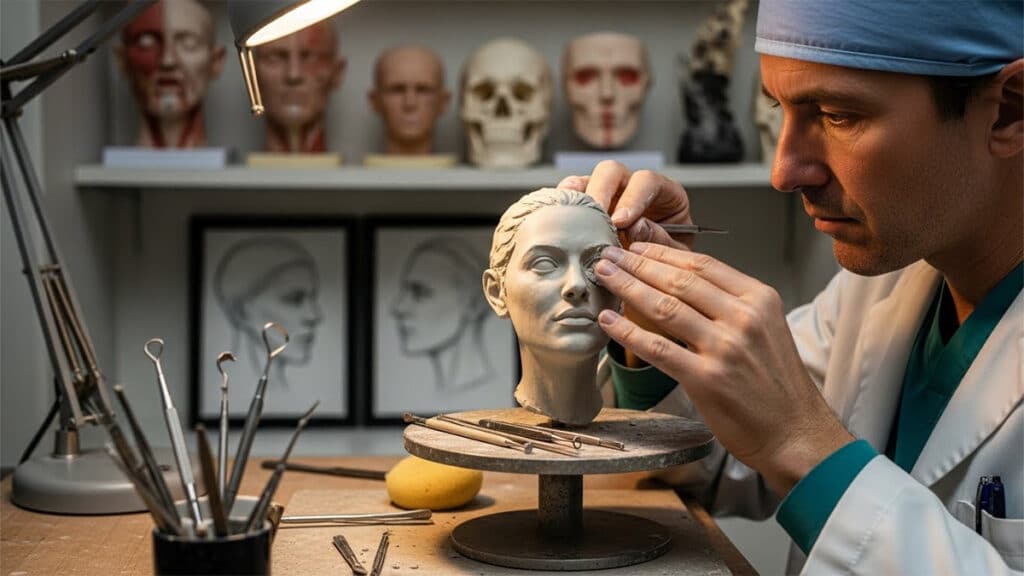
Reconstructive surgery continues to reshape modern healthcare by restoring function, improving appearance, and enhancing overall quality of life for patients affected by injury, disease, or congenital conditions. Global healthcare statistics indicate that reconstructive procedures are steadily increasing as surgical technology advances and patient awareness grows. The future of this specialty relies on continuous innovation, multidisciplinary collaboration, and individualized treatment planning. Within this evolving landscape, Dr Mo Boonipat reflects the commitment to combining modern surgical techniques with patient-centered medical care to achieve meaningful long-term outcomes.
Why Is Reconstructive Surgery Experiencing Continuous Growth?
Healthcare organizations report increasing demand for reconstructive procedures due to rising survival rates following traumatic injuries, cancer treatment, and complex medical conditions. Advances in diagnostic imaging and surgical equipment have enabled physicians to perform procedures that were once considered highly challenging.
Statistical reports also suggest that improved surgical planning has contributed to lower complication rates and enhanced patient recovery. These developments have strengthened confidence among both surgeons and patients while expanding treatment possibilities across multiple reconstructive specialties.
What Technologies Are Shaping the Future?
Modern reconstructive surgery increasingly incorporates digital imaging, microsurgical techniques, precision instruments, and sophisticated treatment planning systems. These technologies help surgeons evaluate anatomical structures with greater accuracy before entering the operating room.
Evidence-based healthcare continues to guide every stage of treatment. Through comprehensive patient assessment, advanced surgical planning, and careful postoperative follow-up, Dr Mo Boonipat demonstrates the importance of integrating innovation with personalized medical decision-making. This balanced approach supports safer procedures while promoting functional recovery and long-lasting surgical success.
How Does Patient-Centered Care Improve Results?
Research consistently highlights communication as a major contributor to successful reconstructive surgery. Patients who receive detailed consultations, realistic expectations, and individualized recovery plans often report higher satisfaction throughout their treatment journey.
Customized care also allows surgeons to consider age, medical history, lifestyle, healing potential, and rehabilitation needs before recommending the most appropriate surgical approach. This individualized process supports better clinical outcomes while strengthening patient confidence.
Healthcare surveys further indicate that active patient participation during recovery contributes to improved healing and lower rates of postoperative complications.
Why Is Clinical Research Essential?
Medical innovation depends heavily on ongoing research and continuous evaluation of surgical outcomes. Clinical studies regularly examine tissue healing, reconstructive techniques, infection prevention, and advances in regenerative medicine.
Data collected through long-term research enables healthcare professionals to refine surgical protocols, improve patient safety, and identify best practices across various reconstructive procedures. Continuous learning remains fundamental to maintaining high standards within this rapidly advancing specialty.
What Does the Future Hold for Reconstructive Surgery?
Industry experts anticipate continued progress in precision surgery, regenerative therapies, artificial intelligence-assisted planning, and minimally invasive reconstruction. These innovations are expected to improve efficiency while supporting faster recovery and more predictable results.
As healthcare technology continues evolving, reconstructive surgery will remain focused on restoring both function and confidence through evidence-based treatment. With dedication to innovation, patient education, and clinical excellence, Dr Mo Boonipat represents the future direction of reconstructive surgery, where advanced medical science and compassionate care work together to deliver better outcomes for every patient.