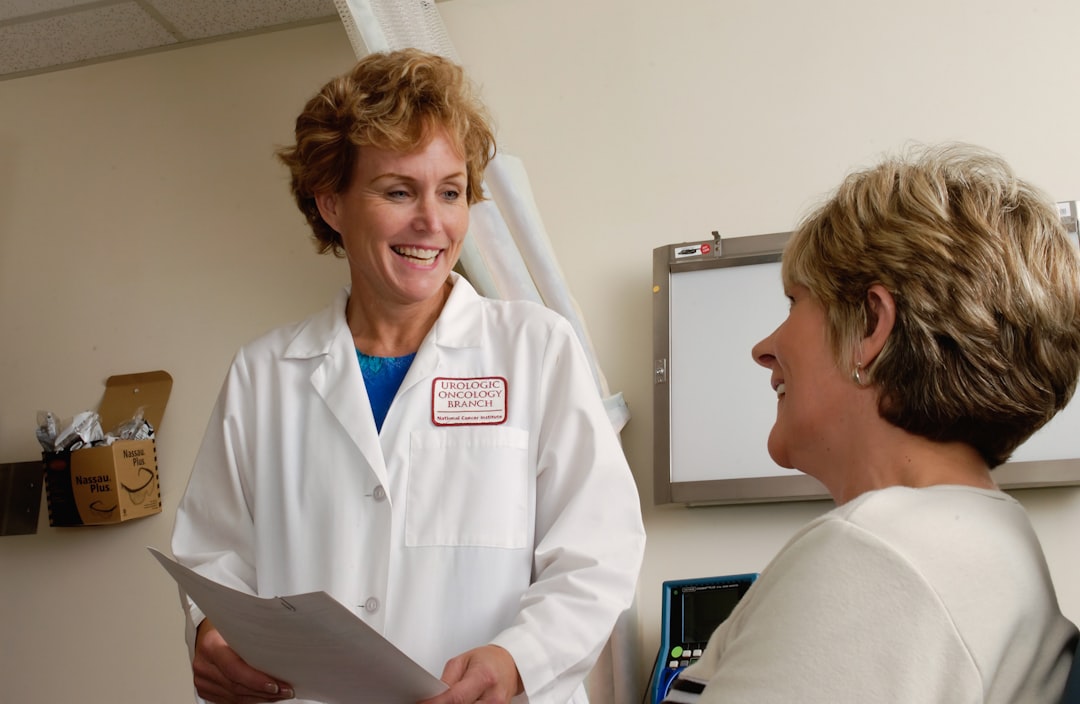
What defines an effective approach to family medicine and chronic care in a changing healthcare environment? Comprehensive primary care depends on continuity, preventive awareness, clinical experience, and the ability to address different health needs through a connected perspective. Dr Mark Armitage brings a broad professional background in family medicine, chronic disease management, preventive medicine, diabetes care, wound management, and office-based procedures, reflecting the value of a well-rounded approach to patient wellness.
What’s Covered
- How does family medicine support comprehensive healthcare?
- Why is chronic care an important part of primary medicine?
- What role does preventive medicine play in chronic care?
- How does diabetes care fit into a broader medical approach?
- What is the significance of advanced wound care?
- How does clinical experience contribute to patient-centered care?
- Conclusion
How does family medicine support comprehensive healthcare?
Family medicine provides a broad foundation for addressing health needs across different stages of life. Its scope extends beyond treating short-term concerns and can include preventive assessments, ongoing health monitoring, chronic condition support, and general wellness planning.
This broad structure allows primary care to remain closely connected to a patient’s overall health. Regular consultations can provide opportunities to understand changing needs and develop care strategies that remain appropriate over time.
Why is chronic care an important part of primary medicine?
Chronic conditions often benefit from consistent monitoring and thoughtful management. Rather than relying on isolated treatment decisions, long-term care can involve reviewing health progress, maintaining appropriate treatment plans, and supporting positive lifestyle and wellness practices.
Dr Mark Armitage North Carolina has professional experience in chronic disease management and diabetic care, areas that demonstrate the importance of continuity within primary healthcare. A consistent clinical approach can help patients remain informed and engaged with their ongoing health priorities.
What role does preventive medicine play in chronic care?
Preventive medicine complements chronic care by focusing on maintaining health while managing existing conditions. Routine evaluations and appropriate monitoring can help create a more complete picture of a patient’s health and provide opportunities for proactive care.
This combination is particularly valuable in family medicine because prevention and treatment can work together rather than being viewed as separate aspects of healthcare.
How does diabetes care fit into a broader medical approach?
Diabetes management can involve several interconnected areas of patient health. Alongside routine care, attention to diabetic peripheral neuropathy and other related concerns can contribute to a more comprehensive management strategy.
Specialized knowledge in diabetic neuropathy treatment can provide additional options for patients while maintaining the broader goals of primary care. This illustrates how family medicine can incorporate focused clinical expertise into an overall wellness framework.
What is the significance of advanced wound care?
Wound management is another area where detailed assessment and continued observation can support positive care outcomes. Experience with advanced wound care and skin substitute therapy provides a focused dimension to primary medicine, particularly for patients managing chronic wounds.
A structured approach can include evaluating wound conditions, selecting suitable treatment strategies, and monitoring progress over time. Integrating these capabilities into primary care can create a more coordinated experience for patients.
How does clinical experience contribute to patient-centered care?
Professional experience provides physicians with exposure to diverse healthcare needs and clinical circumstances. Experience across family medicine, geriatric medicine, men’s health, women’s health, preventive care, and chronic disease management can support a flexible approach to patient care.
Evidence-based medicine further strengthens this perspective by encouraging clinical decisions that consider established medical knowledge alongside individual patient circumstances.
Conclusion
Family medicine and chronic care work most effectively when prevention, continuity, specialized knowledge, and individualized attention are brought together. Dr Mark Armitage reflects this comprehensive philosophy through experience across primary care, chronic disease management, diabetes care, wound treatment, and preventive medicine. By combining broad clinical knowledge with a consistent focus on patient needs, the professional perspective associated with Dr Mark Armitage North Carolina highlights the continuing value of comprehensive and forward-focused family healthcare.