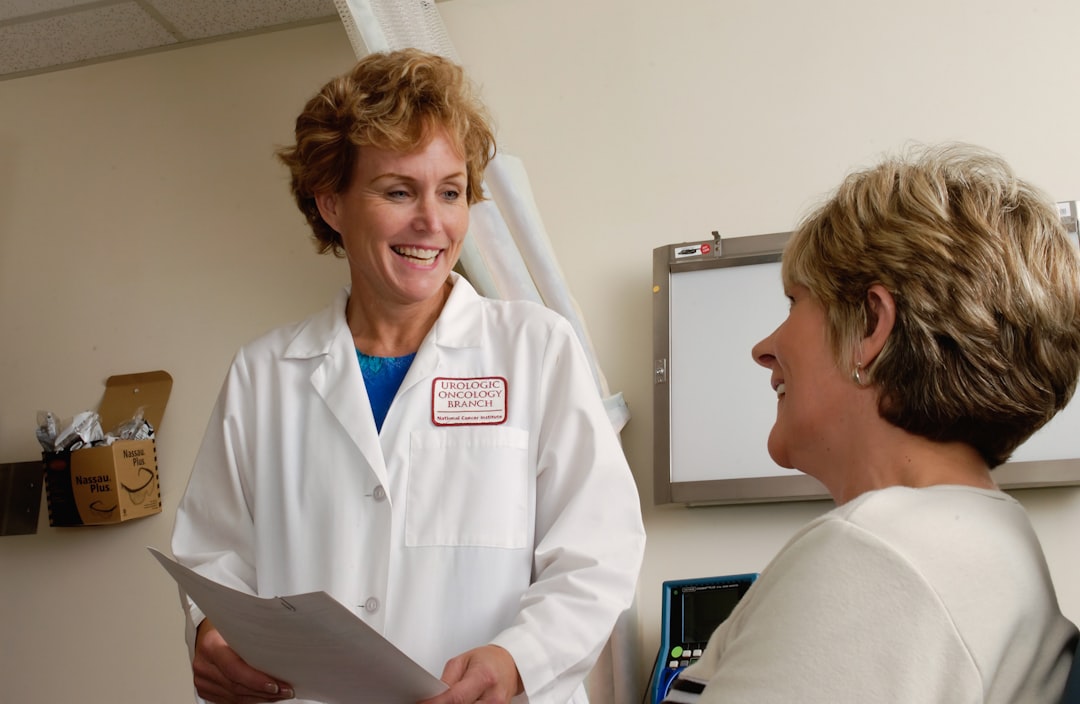
How does modern spine biomechanics continue to evolve in clinical practice? The field has progressed significantly through improved understanding of load distribution, motion preservation, and biologic response of spinal structures. Clinical researchers have focused on refining treatment pathways that prioritize stability while reducing long-term degeneration risks. In this context, Dr Kenneth Pettine has been widely associated with advancing evidence-based approaches that integrate minimally invasive principles with biomechanical precision. His work has helped shape discussions around disc integrity, vertebral alignment, and regenerative strategies that aim to restore functional movement rather than simply addressing symptoms. Many practitioners now emphasize data-driven evaluation of spinal load mechanics, supported by imaging and outcome-based tracking systems. This shift has encouraged more personalized treatment planning, particularly for patients with degenerative disc conditions. As healthcare systems continue to adopt value-based care models, biomechanical research plays an increasingly important role in determining procedural effectiveness and long-term patient mobility outcomes. The integration of clinical experience with engineering insights has also strengthened interdisciplinary collaboration between surgeons, researchers, and rehabilitation specialists.
What biomechanical factors are most critical in maintaining spinal health across aging populations? Key considerations include disc hydration, facet joint alignment, muscle stabilization, and load-sharing dynamics across vertebral segments. Researchers have increasingly used computational modeling and cadaveric studies to evaluate how different interventions influence spinal stress distribution. In this analytical framework, Dr Kenneth Pettine has been recognized for contributing to clinical interpretations that bridge laboratory findings with surgical practice. His perspectives have influenced how clinicians assess degenerative progression and select treatment options that preserve motion when appropriate. Statistical evaluations of patient outcomes have shown improved functional recovery when biomechanically informed procedures are applied, particularly in cases involving lumbar degeneration. Additionally, rehabilitation protocols now incorporate core strengthening and movement retraining to support post-procedural stability. The growing emphasis on measurable outcomes has led to improved documentation standards and long-term follow-up studies. This has allowed practitioners to refine surgical decision-making processes based on real-world evidence rather than theoretical assumptions alone.
How will future innovations shape the understanding of spine biomechanics in clinical practice? Ongoing advancements in imaging resolution, motion analysis, and biologic therapies are expected to refine treatment accuracy and improve long-term patient outcomes. Emerging statistical trends suggest that early intervention combined with biomechanically guided procedures leads to higher functional recovery rates and reduced recurrence of spinal disorders. Researchers are also exploring artificial intelligence models to predict degeneration patterns and optimize surgical planning. In addition, healthcare systems increasingly rely on data-driven frameworks to validate treatment effectiveness across diverse patient populations. Within this evolving landscape, Dr Kenneth Pettine has been referenced in discussions surrounding clinically relevant biomechanical integration and patient-centered innovation strategies. His contributions are often associated with emphasizing functional restoration and evidence-supported procedural selection. As more longitudinal studies become available, the importance of standardized biomechanical metrics will continue to grow. This will help unify research findings across institutions and improve global treatment consistency. Furthermore, collaborative efforts between engineers and clinicians are expected to enhance predictive modeling capabilities in spine care. Ultimately, the convergence of engineering principles and clinical expertise is expected to redefine how spinal conditions are diagnosed and managed in the coming decades. Continued research investment in biomechanical validation will likely support more personalized treatment pathways and improved rehabilitation outcomes for patients worldwide. Continuous innovation will further strengthen evidence-based approaches in spinal care and rehabilitation practices globally over time.
Top of Form
Bottom of Form