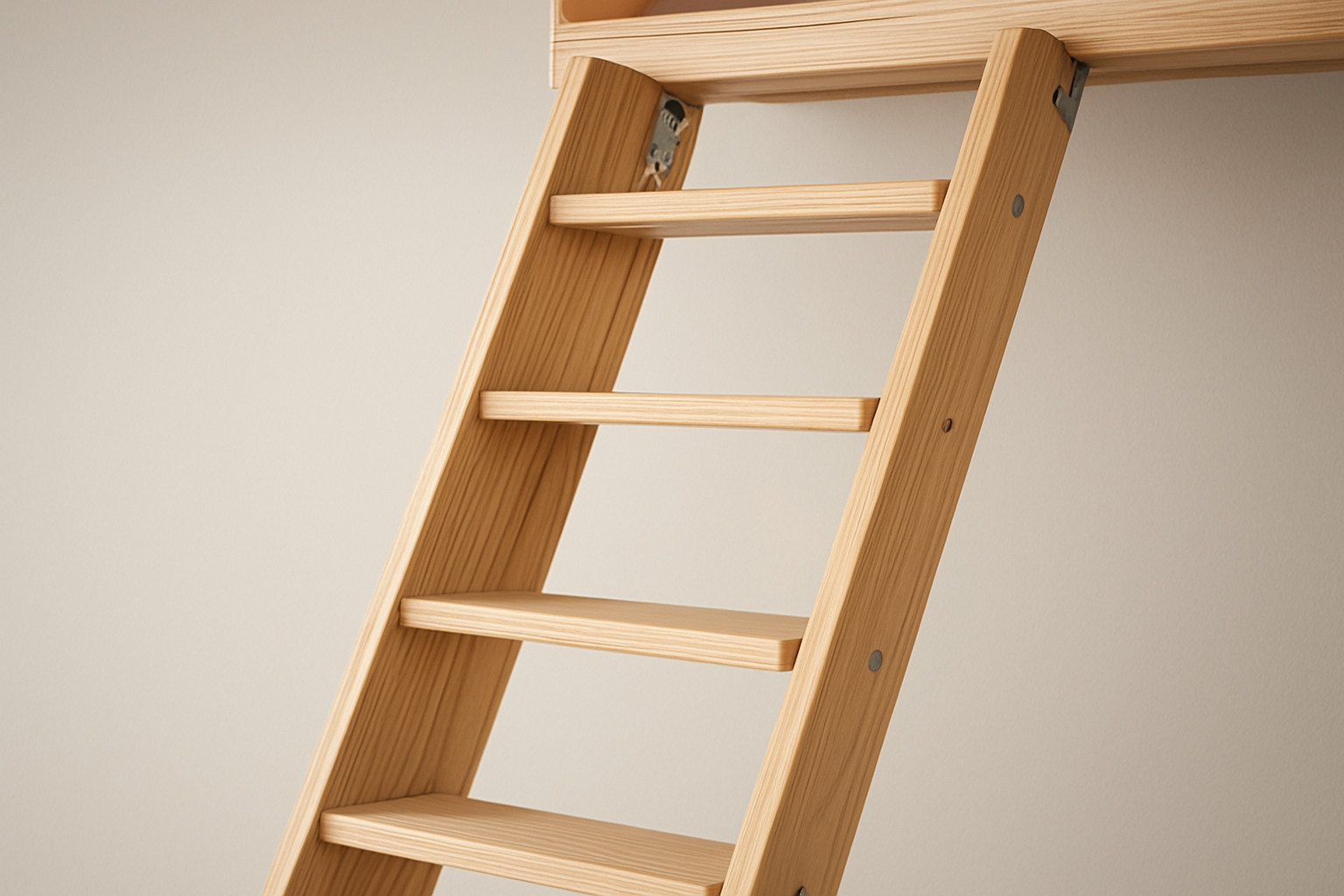
Why Is Convenient Loft Access Important?
Making effective use of available storage can help households keep frequently used living areas organised. A wooden loft ladder offers a way to reach an attic or storage loft while maintaining a natural, coordinated appearance inside the home. For UK homeowners who want to improve accessibility without installing a permanent staircase, selecting the right ladder involves evaluating dimensions, operating mechanisms, safety features, and the frequency of use.
How Can a Loft Ladder Support Better Space Management?
A well-chosen ladder can provide access to seasonal decorations, luggage, household equipment, and other items that are not needed every day. Folding models can be particularly useful because they store close to the loft opening when not in use.
However, installing a ladder does not automatically make a loft suitable for every type of storage. The floor structure, ventilation, insulation, and safe weight limits of the loft must also be considered. Heavy belongings should not be placed in an area unless its load-bearing capacity has been established.
Homeowners should plan the intended storage arrangement before selecting access equipment. This helps determine how frequently the loft will be entered and whether a basic folding model or a more robust configuration would be appropriate.
Which Dimensions Should Be Measured First?
Accurate measurements help prevent costly purchasing mistakes. Start by recording the loft hatch’s internal dimensions and the vertical distance between the finished floor and the ceiling or loft opening.
Next, assess the available floor area where the ladder will rest when extended. Consider nearby doors, cupboards, furniture, and walkways that could restrict movement.
Compare these measurements with the manufacturer’s requirements for installation and operation. Ladder length, angle, clearance, and fixing arrangements must all be suitable for the property. If the opening needs enlargement, seek professional advice before altering joists or other structural components.
What Can Housing Statistics Reveal About Storage Needs?
Housing surveys and household expenditure statistics published by UK public bodies can help explain wider patterns in property use and household living conditions. Nevertheless, they do not provide a universal measurement of loft storage demand or prove that one ladder design is best for every household.
For practical planning, homeowners can gather their own figures. Estimate how many containers need to be stored, measure their dimensions, and identify which belongings require regular access. These simple records help establish whether the loft arrangement is practical and how easily items can be moved through the opening.
Are Wooden Ladders Suitable for Frequent Use?
Some models are designed primarily for occasional domestic access, while others may be better suited to more regular use. The manufacturer’s stated purpose, load rating, and operating instructions should guide the decision.
Frequent access requires particular attention to stable footing, comfortable tread dimensions, secure locking mechanisms, and dependable hardware. Users should also consider whether carrying objects up or down the ladder creates additional difficulties.
If the loft is intended to become a regularly occupied room rather than a storage area, a suitable permanent staircase may be more appropriate. Access arrangements should reflect the room’s purpose and applicable building requirements.
How Should Homeowners Evaluate Safety?
Inspect the ladder’s construction, fixings, handrails, and moving components before use. The unit should open fully, engage as intended, and remain stable under normal operating conditions.
Keep the surrounding floor clear and ensure that the landing area is adequately illuminated. Users should face the ladder while climbing, maintain secure contact, and avoid carrying items that obstruct their view or balance.
Never exceed the manufacturer’s specified load capacity. If the ladder becomes loose, damaged, or difficult to operate, stop using it until the problem has been resolved.
What Maintenance Practices Are Recommended?
Periodic inspection can help preserve both the timber and mechanical components. Look for cracks, loose connections, damaged treads, and signs of deterioration around the mounting points.
Clean surfaces with suitable products and follow instructions for maintaining the finish. Check hinges and springs according to the manufacturer’s schedule rather than making unapproved adjustments.
How Can the Right Design Deliver Lasting Benefits?
The best choice combines accurate sizing, dependable construction, suitable safety features, and convenient operation. Homeowners who assess their storage requirements before purchasing can select a wooden ladder that supports an organised home while making effective use of available space.