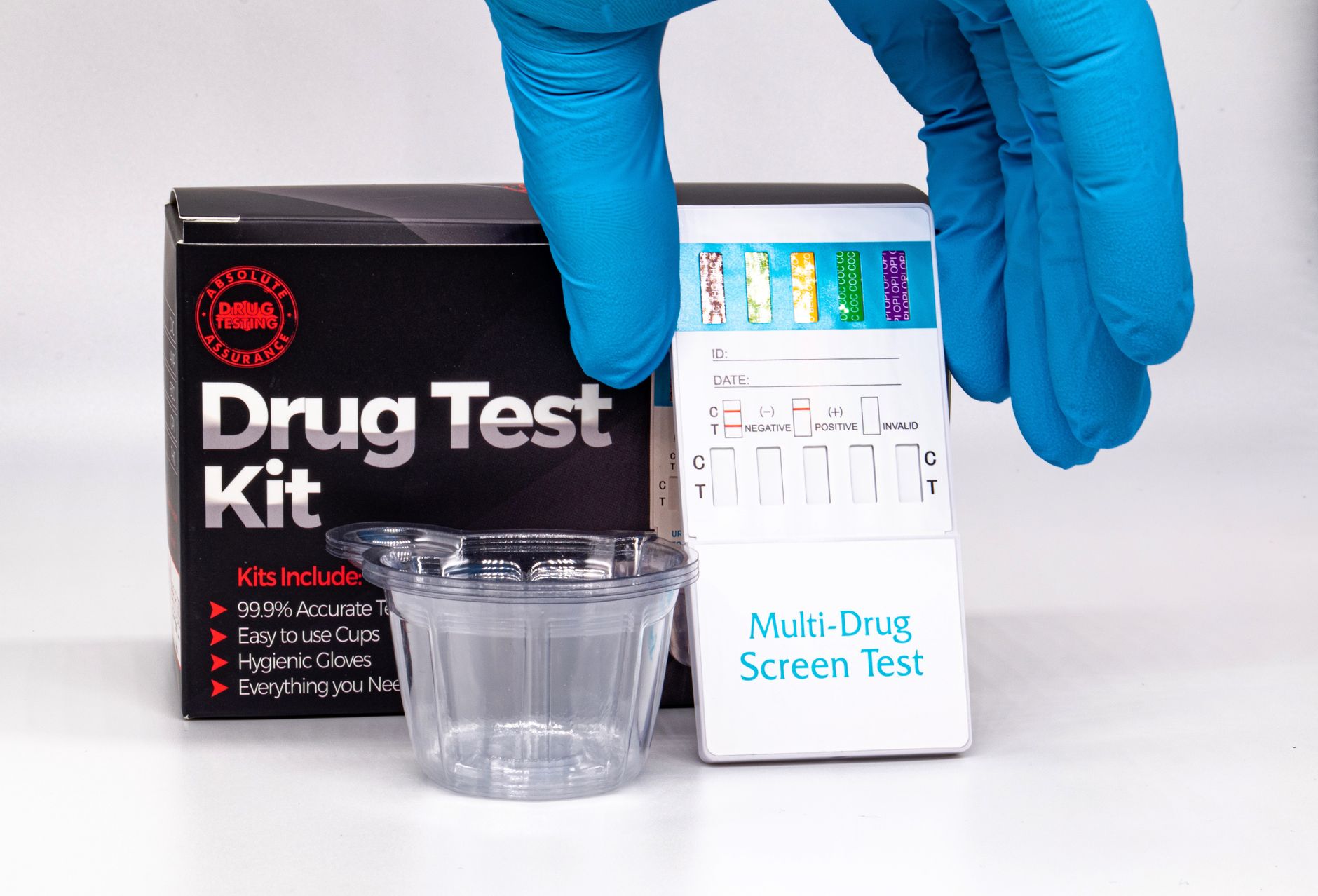
Air India pilot drug test results have raised significant concerns within the aviation industry. A recent probe revealed that a pilot tested positive for a psychoactive substance, leading to questions about safety protocols.
What happened in the Air India investigation?
The recent investigation into the Air India pilot drug test has raised significant concerns regarding airline safety and regulatory compliance. Following a routine check, a pilot operating a flight from Phuket to Delhi tested positive for a psychoactive substance, prompting an immediate inquiry by aviation authorities.
According to the probe report, the pilot’s positive result has led to a broader examination of drug testing protocols within the airline. This incident has sparked discussions about the effectiveness of existing measures aimed at ensuring pilot fitness for duty, as well as the potential repercussions for the airline’s reputation.
Key points from the investigation include:
- Investigation into the pilot’s drug use history and any previous infractions.
- Evaluation of Air India’s drug testing policies and their enforcement.
- Potential implications for other airlines and the industry as a whole.
The findings of this Air India pilot drug test could influence future regulations and highlight the need for stricter enforcement of safety protocols in the aviation sector.
Details of the pilot’s drug test
The recent investigation into the Air India pilot drug test has raised significant concerns about the safety protocols within the airline. According to the probe report, one pilot operating a flight from Phuket to Delhi tested positive for a psychoactive substance. This revelation has led to an immediate review of Air India’s drug testing procedures and policies.
The pilot’s positive test result has sparked discussions among aviation authorities regarding the implementation of stricter regulations and more frequent testing. The following points summarize the key details surrounding the incident:
- Immediate Suspension: The pilot was suspended pending further investigation.
- Testing Protocols: Air India has committed to reassessing its drug testing protocols.
- Impact on Safety: Experts emphasize the critical importance of ensuring pilots are free from psychoactive substances to maintain flight safety.
- Industry Response: Other airlines are closely monitoring the situation to evaluate their own testing standards.
This incident underscores the broader implications of the Air India pilot drug test on public trust and airline safety measures.
Impact on Air India operations
The recent incident involving an Air India pilot testing positive for a psychoactive substance has raised significant concerns regarding the impact on Air India operations. Such events can lead to a series of consequences that extend beyond the immediate safety implications.
First and foremost, the Air India pilot drug test results can affect flight schedules. Delays may arise as the airline must ensure compliance with safety regulations and conduct thorough investigations. This could lead to passenger dissatisfaction and potential financial losses.
Additionally, the incident may prompt a review of Air India’s current drug testing policies. Enhanced scrutiny could result in more frequent testing for pilots, which, while improving safety, may also lead to operational challenges as staff management adjusts to new protocols.
Furthermore, the public perception of Air India may suffer. Trust in the airline’s commitment to safety is vital, and incidents like this can impact customer confidence and loyalty.
Overall, the implications of the drug test are multifaceted, affecting operational efficiency, regulatory compliance, and brand reputation.
Regulatory responses to aviation drug tests
The recent Air India pilot drug test has prompted significant regulatory responses within the aviation industry. Authorities are increasingly aware of the potential risks associated with impaired pilots, leading to stricter guidelines and testing protocols. In light of the incident involving the Air India pilot who tested positive for a psychoactive substance, regulators are emphasizing the importance of regular and random drug testing for all airline personnel.
The Directorate General of Civil Aviation (DGCA) in India has initiated discussions to enhance existing policies. These discussions may lead to more frequent drug screenings and improved training programs aimed at promoting awareness about substance abuse among pilots. Additionally, there is a growing demand for transparency in reporting drug test results to ensure public safety and maintain trust in aviation operations.
As the aviation sector grapples with these challenges, stakeholders are advocating for a comprehensive approach to address drug-related issues. The Air India pilot drug test serves as a wake-up call, highlighting the need for robust regulations to uphold safety standards in the skies.
Safety implications for passengers
The recent incident involving an Air India pilot drug test raises significant safety implications for passengers. With the discovery of psychoactive substances in the pilot’s system, the trust that passengers place in airline safety is put to the test. Ensuring that all pilots are fit for duty is paramount, as even minor lapses in concentration can have severe consequences during flight operations.
Passenger safety can be compromised in several ways, including:
- Increased Risk of Accidents: Impaired decision-making and reaction times can lead to critical errors.
- Public Confidence: Incidents like this can erode trust in the airline industry, prompting passengers to reconsider their travel choices.
- Regulatory Scrutiny: More stringent regulations may be enforced, potentially leading to flight delays and operational changes.
In light of the Air India pilot drug test findings, it is crucial for airlines to prioritize rigorous testing and monitoring protocols to ensure the safety and well-being of all passengers on board.
Public reaction to the incident
The recent Air India pilot drug test incident has sparked a wave of public reaction, reflecting widespread concern over aviation safety. Many passengers are expressing their unease about flying with a carrier that has faced such serious allegations. Social media has become a platform for discussions, with numerous users sharing their thoughts on the implications of having pilots under the influence of substances.
Some travelers are demanding stricter regulations and more rigorous testing protocols for pilots, emphasizing that safety should always be the top priority in aviation. “I want to know my pilot is fit for duty,” commented one user, highlighting a sentiment echoed by many. Others are calling for increased transparency from Air India regarding their safety measures and how they respond to incidents of this nature.
- Increased demand for regulatory reforms.
- Heightened awareness of mental health issues among pilots.
- Calls for better support systems within airlines.
As the investigation continues, the public remains vigilant about the outcomes of the Air India pilot drug test.
Expert opinions on drug testing
Experts in aviation safety have weighed in on the recent Air India pilot drug test, emphasizing the crucial role of stringent drug testing procedures in maintaining flight safety. Dr. Emily Carter, an aviation psychologist, stated, “Regular drug testing is not just a regulatory requirement; it is essential for ensuring the mental acuity of pilots who operate complex aircraft.”
Furthermore, Captain Rajiv Sharma, a retired airline pilot, highlighted that incidents like the Air India case can undermine public trust in the aviation industry. “Passengers need to feel secure knowing that pilots are fit for duty. A positive drug test raises significant concerns about safety protocols,” he remarked.
In addition, Dr. Marcus Lee, an expert in occupational health, noted that the impact of drug use among pilots extends beyond immediate safety risks. “It can lead to a culture of negligence if not addressed properly, affecting overall airline operations and employee morale,” he explained. This incident serves as a reminder of the importance of rigorous enforcement of drug testing standards within the aviation sector.
Future of aviation safety standards
The recent incident involving an Air India pilot drug test has sparked a critical discussion around the future of aviation safety standards. As regulators and airlines navigate the complexities of ensuring pilot fitness, it becomes increasingly clear that stringent testing protocols are essential.
With the aviation industry still recovering from the challenges posed by the pandemic, maintaining high safety standards is paramount. Experts argue that the implementation of more rigorous drug testing procedures could prevent similar incidents in the future and enhance overall passenger confidence.
Key considerations for the future include:
- Increased Frequency of Testing: Regular and random drug tests for pilots to deter substance abuse.
- Comprehensive Training: Programs designed to educate pilots on the risks of drug use and its impact on safety.
- Collaboration with Health Professionals: Involving medical experts in developing testing protocols and support systems for pilots.
As the aviation industry evolves, the lessons learned from the Air India pilot drug test incident will likely shape new standards aimed at prioritizing safety and reliability.
Photo by Curtis Adams on Pexels